
DUI Lawyer in Brampton, ON
Each impaired driving case is unique, and that's exactly how we treat it. Our experienced Brampton DUI defence lawyer will assess every detail of your case—starting with the police stop, the breathalyzer test, and the procedures followed.
- 10+Years in practice
- 500+Cases handled
- 24hOpen every day
- 4Languages spoken
Impaired driving, explained
What Are You Actually Charged With?
Impaired driving in Canada is prosecuted under section 320.14 of the Criminal Code. It covers three separate things: operating while your ability is impaired by alcohol or a drug, operating with a blood alcohol concentration of 80 mg or more per 100 ml, and refusing a lawful demand under section 320.15. The Crown does not have to prove bad driving for any of them.
How Does a Brampton DUI Defence Lawyer Build a Case?
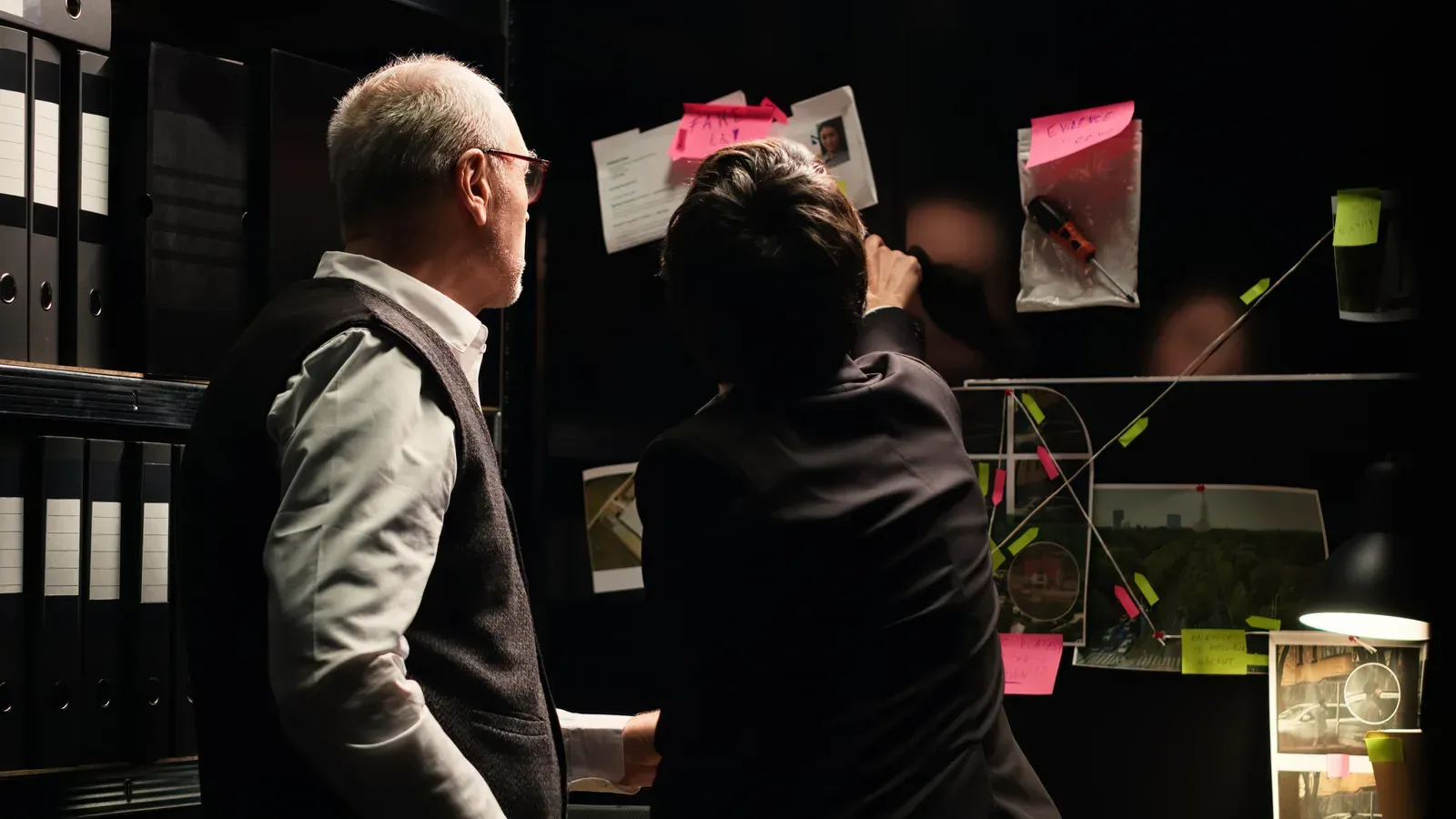
Every impaired driving case is treated individually. Dhindsa Law assesses each detail — the police stop, the breathalyzer test and the procedures followed — because errors in police procedure or testing methods can lead to dropped charges.
We focus on protecting your rights, questioning the evidence, and negotiating with the Crown when possible. If needed, we're fully prepared to defend you in court.

What Should You Expect From a DUI Lawyer?
Expect a lawyer who answers the phone, explains the options in plain language, sets out what each choice means for the licence and the record, and appears personally on the case rather than delegating it.
Being an experienced DUI lawyer in Brampton means more than winning in court. It means showing up when you call. It means explaining your options clearly. And it means fighting for the best possible outcome every time.
Our team is known for fast communication, honest advice, and solid results.

How Do You Start Your DUI Defence?
Don't wait until it's too late. If you've been charged, contact us right away. A consultation is confidential and completely free.
We offer free consultations so call now at (437) 998-1429 or fill out our contact form online here. Our attorney is available 24 hours per day / 7 days per week for emergency calls after business hours & weekends. Let us fight hard for justice on YOUR behalf!
Which Impaired Driving Charges Does Dhindsa Law Defend?
Dhindsa Law defends impaired driving by alcohol or drugs, driving over 80mg, refusing a breath sample, impaired driving causing bodily harm, and related offences. Each carries different consequences under the Criminal Code and the Highway Traffic Act.
Impaired Driving
Driving while your ability is impaired by alcohol or drugs
Discuss Impaired DrivingDrunk Driving (Over 80mg)
Operating with blood-alcohol concentration above legal limit
Discuss Drunk Driving (Over 80mg)Refusal to Provide Sample
Consequences of refusing a breath or blood test
Discuss Refusal to Provide SampleDrug-Impaired Charges
After consuming marijuana, prescription, or other drugs
Discuss Drug-Impaired ChargesChild in the Vehicle
Driving impaired with a passenger under 16 is treated as an aggravating factor at bail and sentencing, not a separate charge
Discuss Child in the VehicleWhat Happens in the First 90 Days?
Two processes run at the same time and they are not connected. Ontario suspends your licence administratively at the roadside; the criminal charge proceeds separately through the courts, on its own timetable.
Licence suspended, vehicle impounded
If you register 80 mg or more, or refuse the demand, the officer requests your licence and it is suspended for 90 days from that moment. The vehicle is towed and impounded for seven days at your cost. Neither is a finding of guilt, and neither waits for a court.
Highway Traffic Act, s. 48.3(2) and s. 48.4(1)(b)
Release and first disclosure request
You are released on an undertaking, usually with conditions. Your lawyer requests disclosure — the officer's notes, the breath technician's certificate, the calibration records and any video.
The administrative suspension ends
The 90-day suspension expires on its own. The criminal charge is untouched by this and is usually still at an early stage in the Ontario Court of Justice.
A separate, longer prohibition begins
A first conviction carries a mandatory $1,000 fine and a driving prohibition of one to three years. This is in addition to anything already served administratively.
Criminal Code, s. 320.19(1)(a)(i) and s. 320.24(2)(a)
What Are the Minimum Penalties on Conviction?
These are minimums set by Parliament, not starting points a court can go below. The maximum on indictment is 10 years; prosecuted summarily it is two years less a day.
| Offence | Minimum penalty | Driving prohibition |
|---|---|---|
| First | A fine of $1,000 | 1 to 3 years |
| Second | 30 days imprisonment | 2 to 10 years |
| Third or more | 120 days imprisonment | 3 years or more |
Criminal Code s. 320.19(1) and s. 320.24(2). A refusal under s. 320.15 carries the same minimums, and s. 320.19(4) sets a higher minimum fine for a first refusal than for a first reading over 80. Where impaired operation causes bodily harm the offence is punished under s. 320.2 and carries up to 14 years; causing death carries life under s. 320.21.
Where Are These Cases Actually Won?
Rarely on whether the driving was bad. Section 320.14(1)(b) is defined by a concentration, so the defence normally targets how that number was obtained. Each of these is a question put to the disclosure, and a single one failing can end the case.
An officer needs reasonable grounds to suspect, and then to believe. Without them the demand is unlawful and everything that follows is in issue.
The statute sets out when a demand must be made. A delay that is not accounted for in the notes is a live issue.
Calibration records, the qualified technician's certificate and the intervals between samples are all disclosable and all checkable.
Section 10(b) of the Charter requires more than reciting the caution. A person must get a real opportunity to speak to a lawyer in private.
A stop that was arbitrary engages section 9. Where the detention was unlawful, the breath evidence is at risk under section 24(2).
Missing video, missing notes or missing maintenance records are not neutral. Incomplete disclosure can delay, narrow or end a prosecution.
Where a Charter breach is established and the breath evidence is excluded under section 24(2), the prosecution usually ends, because the reading was the case.
Need a lawyer for your impaired driving matter?
Tell us what happened and how to reach you. We will come back to you to arrange a confidential consultation.
- Confidential, no obligation
- Reachable 24 hours a day
- English, Hindi, Punjabi, Urdu
Other criminal defence matters



Book a confidential consultation today
If you are facing charges or need legal advice, get in touch. We will discuss your options in complete confidence.