Over 80 and Refusing a Breath Sample Lawyer in Brampton, ON
Over 80 and refusing a sample are separate offences from impaired driving, and they carry the same mandatory minimum penalties. You can be acquitted of impaired driving and still be convicted of either one.
- 10+Years in practice
- 500+Cases handled
- 24hOpen every day
- 4Languages spoken
Over 80 & Refusing a Sample, explained

What Does Over 80 Actually Mean?
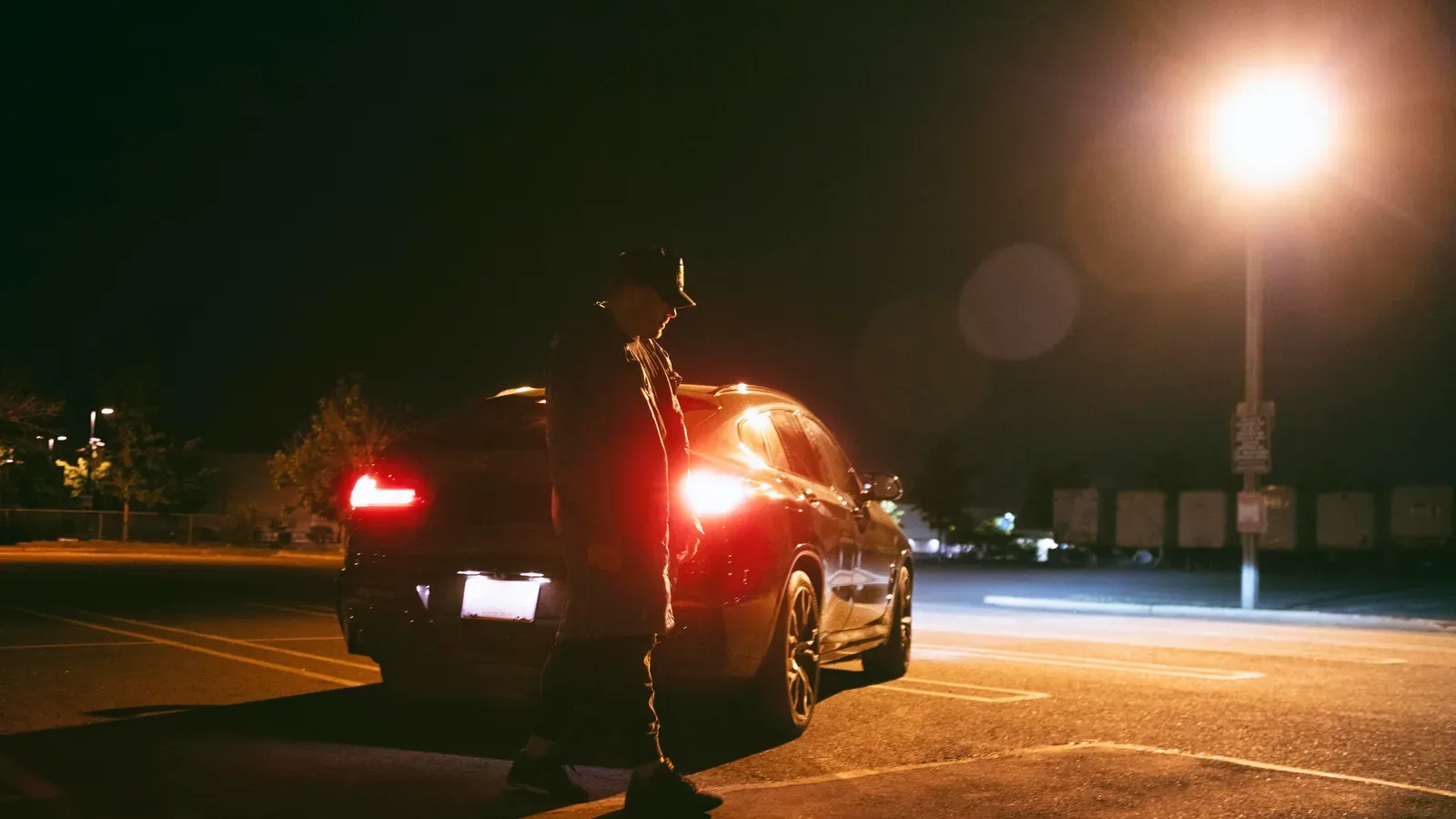
Section 320.14(1)(b) makes it an offence to have, within two hours after ceasing to operate a conveyance, a blood alcohol concentration equal to or exceeding 80 mg of alcohol in 100 mL of blood. The offence is the concentration itself, not the quality of your driving.
That two-hour framing matters. The 2018 reforms replaced the old 'at the time of driving' wording, which removed most of the arguments that used to be built around drinking after driving. A narrow exception survives in section 320.14(5) for alcohol consumed after you stopped driving, but it is tightly drawn and requires specific evidence.
Because the offence turns on a number rather than on observed impairment, the Crown does not need to prove that you drove badly, or at all badly. Equally, evidence that you drove perfectly well is not a defence to this count.
How Is Refusing a Sample an Offence?
Section 320.15(1) makes it an offence to fail or refuse, without reasonable excuse, to comply with a demand made under section 320.27 or 320.28, knowing that the demand was made. Refusing carries the same minimum penalties as blowing over.
There is no tactical advantage in refusing. The minimum fine for a first refusal is in fact higher than for a first over-80 offence, and the Crown no longer has to prove your blood alcohol concentration at all — only that a valid demand was made and that you did not comply.
Sections 320.15(2) and (3) create aggravated versions where the driver knew, or was reckless as to whether, they were involved in an accident causing bodily harm or death.
A 'reasonable excuse' is a genuine legal defence but a narrow one. Genuine inability to provide a sample for a medical reason can qualify; disagreeing with the officer does not.

What Are the Penalties for Over 80 or Refusing?
Section 320.19 sets mandatory minimum penalties that apply to both offences. A judge cannot go below them.
Section 320.19(3) raises the minimum fine for a first offence where the reading was high: not less than $1,500 where the concentration was at least 120 mg but under 160 mg, and not less than $2,000 where it was 160 mg or more.
Section 320.19(4) sets a minimum fine of not less than $2,000 for a first refusal under section 320.15(1) — higher than the standard first-offence fine for blowing over.
Proceeding by indictment carries a maximum of 10 years; on summary conviction the maximum is a $5,000 fine or two years less a day, or both. A conviction also brings a federal driving prohibition and, separately, Ontario licence consequences administered by the Ministry of Transportation.
How Are These Charges Defended?
Most of the work happens before trial, in the disclosure. Because the offence is defined by a reading or by a refusal, the defence generally targets how that evidence was obtained rather than whether the driving was bad.
Where a Charter breach is established, the remedy sought is normally exclusion of the breath evidence under section 24(2), which in an over-80 prosecution is usually the whole case.
See also our pages on impaired driving and dangerous driving, which are frequently laid alongside these counts.

What Happens to Your Licence Before Trial?
Ontario imposes an immediate administrative licence suspension at roadside, separate from anything a criminal court does. That suspension is provincial and is not a finding of guilt — it takes effect long before any trial.
Because the provincial and federal consequences run on separate tracks, resolving one does not automatically resolve the other. Ask about both when you get advice, and do not assume that a good outcome in criminal court restores your licence by itself.
Frequently asked questions
Browse every answer on this siteYes, and it is common. They are separate offences under section 320.14(1)(a) and (b). One is about your ability to operate being impaired; the other is about your blood alcohol concentration. You can be acquitted of one and convicted of the other.
No. Section 320.15 carries the same mandatory minimums as blowing over, and section 320.19(4) sets a higher minimum fine — not less than $2,000 — for a first refusal. It also removes the Crown's need to prove any reading.
It is a narrow legal defence, generally requiring a genuine inability to comply, such as a medical condition preventing you from providing a suitable sample. Confusion, disagreement with the officer or wanting to speak to a lawyer first are not reasonable excuses.
Rarely. Section 320.14(5) preserves a limited exception where alcohol was consumed after you stopped driving, but it has strict conditions and normally requires expert evidence. The 2018 amendments were designed to close this argument.
The mandatory minimum for a first offence is a fine of $1,000, or more where the reading was high. Jail is the mandatory minimum from the second offence onward. Every case turns on its own facts and no outcome can be promised.
Need a lawyer for your over 80 & refusing a sample matter?
Tell us what happened and how to reach you. We will come back to you to arrange a confidential consultation.
- Confidential, no obligation
- Reachable 24 hours a day
- English, Hindi, Punjabi, Urdu
Other criminal defence matters

Book a confidential consultation today
If you are facing charges or need legal advice, get in touch. We will discuss your options in complete confidence.